

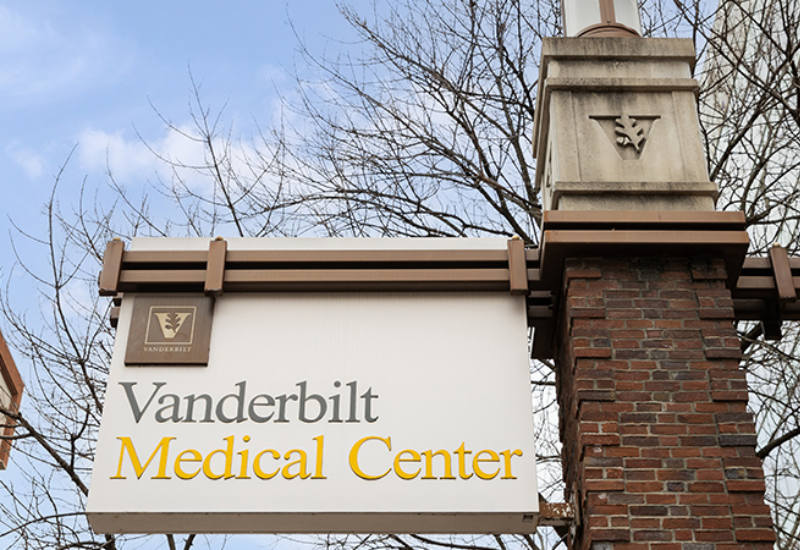
Photo credit VUMC.org
In a move that left many in the LGBTQ+ community shocked and frustrated, Vanderbilt University Medical Center (VUMC) has officially ended its Program for LGBTQ Health. This closes the door on more than a decade of progress in inclusive care.
Without much public notice, VUMC laid off key staff from the program in late June, effectively shutting down the Trans Buddy Program and other services that supported transgender and nonbinary patients. The cuts came as part of a broader round of layoffs affecting over 650 employees across the medical center, tied to a reported $300 million budget shortfall.
Why This Matters
For many trans and queer patients in the South, Vanderbilt’s LGBTQ Health Program wasn’t just a resource — it was a lifeline. The Trans Buddy Program was especially unique as it trained volunteers to attend appointments with transgender and nonbinary patients to help them feel safe, supported, and respected in medical settings.
Its removal leaves a major gap in care, not in terms of medical treatment alone, but in how that care is accessed and experienced.
A Pattern of Pullbacks
This isn’t the first time Vanderbilt has scaled back its services for transgender patients:
· In 2022, the hospital paused gender-affirming surgeries for minors after political pressure.
· In 2023, VUMC complied with a state request to hand over trans patient records, raising major privacy concerns.
· And earlier this year, the medical center pulled back support for Pride and removed DEI (Diversity, Equity, and Inclusion) materials from its website.
Now, with the full shutdown of its LGBTQ Health Program, many are questioning what kind of commitment VUMC still has to inclusive care.
Is This About DEI?
It can be argued that Vanderbilt’s decision is connected to growing political pressure to eliminate DEI programs across Tennessee and other conservative-led states.
In recent years, state lawmakers have introduced legislation targeting DEI initiatives in public universities, healthcare systems, and other institutions. These laws restrict funding, limit hiring practices aimed at increasing diversity, and require institutions to strip DEI-specific language from their materials.
In March, the Trump administration launched an investigation into Vanderbilt University over its DEI policies, prompting both the university and its Medical Center to remove DEI-related language from their websites. Shortly after, VUMC shut down all of its DEI programs in response to a letter from Senator Marsha Blackburn criticizing the Medical Center for failing to align with Trump-era directives.
Healthcare experts and LGBTQ+ advocates worry that these restrictions are having a chilling effect, even on private systems like Vanderbilt.
When hospitals and medical systems feel pressure to cut back on programs that center marginalized patients, it’s often DEI that gets targeted first. That sends a message that these lives — and their safety — are not priorities.
While Vanderbilt hasn’t directly stated that the DEI crackdown influenced their decision, the timeline raises questions. The removal of DEI content, staff layoffs, and rollback of LGBTQ-specific services have all happened in rapid succession.
Community Reaction
The response from LGBTQ+ leaders, advocates, and elected officials has been swift. The Nashville Metro Council’s LGBTQ Caucus called the cuts part of a “pattern of regressive decisions.” Advocacy groups like the Tennessee Transgender Task Force are urging the hospital to be transparent and accountable.
In a July 8 story with Tennessee Lookout, Ray Holloman, LGBTQ Health Program Community Advisory Board Chair, said, “Trans Buddy and all of the other programs that they had made it so people could access healthcare. They are a healthcare organization… with the moves that they’ve just made, they are discouraging people now from accessing health care until it becomes an emergency.”
What Happens Now?
While some gender-affirming medical services may still be available at Vanderbilt, like hormone therapy and surgical consultations, patients will now have to navigate the system without the community-centered support that once made it safer and more accessible.
If you were a patient in the program or know someone who needs help finding trans-affirming care, local LGBTQ+ organizations may be able to offer guidance or referrals.
We’re Watching
Here at Connect, we’ll continue covering this story and sharing resources for our community. We know how important it is to feel safe and supported at work, at home, in the streets, and at the doctor’s office.
If you’ve been affected by these changes or want to share your experience, we’d love to hear from you. Contact us at [email protected] or message us on Instagram or Facebook @weconnect.lgbt.
 Catholic Hospitals Barred from Offering Gender-Affirming Care
  Take a Deep Breath — Marriage Equality is Probably Here to Stay
  Supreme Court Asked to Reconsider Landmark Same-Sex Marriage Ruling
  Trans Youth Emergency Project Supports Trans Youth, Families
  Over a Million Queer Women Rely on Medicaid. What Happens If They Lose It?
  In Loving Memory of Phil Michal Thomas – Author, Advocate, Community Leader